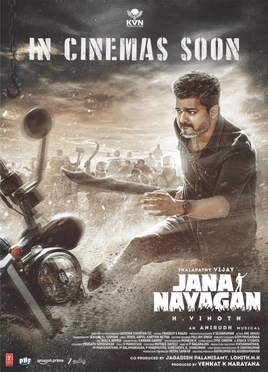
Vijay's Jana Nayagan Censor: Politics, Religious Claims & CBFC Standoff
The highly anticipated film
Jana Nayagan, starring cinematic titan Vijay and directed by H. Vinoth, has found itself embroiled in a significant controversy surrounding its certification process. Far from a routine procedure, the journey of
jana nayagan censor approval has escalated into a complex standoff involving the Central Board of Film Certification (CBFC), allegations of political interference, and sensitive claims regarding religious and national sentiments. This dispute marks a critical juncture for Vijay, with
Jana Nayagan widely perceived as his penultimate cinematic offering before his full-time foray into the political arena. The challenges faced by this film are not merely procedural; they reflect a larger narrative about creative freedom, the power of regulatory bodies, and the often-volatile intersection of cinema and politics in India.
The Crucible of Censorship: A Film Caught in the Crosshairs
For any film, securing a certificate from the CBFC is a mandatory step before release. For
Jana Nayagan, this process became anything but straightforward. The film was submitted for censor review on December 18th, utilizing a Tatkal (expedited) submission, indicating the production house's clear intent for a swift resolution. Initially, a CBFC committee, comprising four members, reviewed the film. By December 22nd, a majority of three members reportedly agreed to grant the film a U/A certificate – a common classification meaning unrestricted public exhibition with a parental guidance advisory for children under 12.
However, the consensus quickly unraveled. A fourth, dissenting member of the committee raised significant objections to the majority decision. This member's complaints were twofold: claims that certain scenes hurt religious sentiments and that Army emblems were shown without proper permission. This internal disagreement within the CBFC proved to be the catalyst for the subsequent escalation. Instead of proceeding with the majority's decision, the dissenting member took their grievances directly to the CBFC chairman. In an unusual move, the chairman then ordered that
Jana Nayagan be reviewed by a Revising Committee, effectively overriding the initial committee's majority verdict and plunging the film's certification into uncertainty.
Beyond the Screen: Political Undertones and Religious Sensitivities
The producer, Venkat K. Narayana, openly hinted at "some politics behind this" concerning the
jana nayagan censor issue, a sentiment widely echoed by fans and industry observers. Given Vijay's stature and his declared political ambitions, any film released at this juncture is bound to be viewed through a political lens. The timing of the censor crisis, coupled with the nature of the objections, only fuels speculation. Claims of "hurting religious sentiments" have become increasingly common in India's socio-political landscape, often leading to protests and legal challenges against films, art, and even individuals. While the specifics of the alleged objectionable content remain officially unconfirmed, such accusations carry significant weight and can easily ignite public backlash.
Similarly, the complaint about using Army emblems without proper permission touches upon nationalistic sensitivities. While guidelines exist for the depiction of national symbols and armed forces, strict enforcement or selective interpretation can become a tool for obstruction. The intervention of the CBFC chairman following a minority dissent, leading to a Revising Committee order, highlights the inherent power dynamics within the censorship body. It raises questions about whether such actions are solely based on content concerns or if external pressures, possibly political, influence the process, especially when dealing with a politically influential figure like Vijay. This complex interplay underscores how a film's journey through censorship can often transcend artistic merit to become a battleground for ideological and political agendas.
The Clock Ticks: Delays, Legal Battles, and the Release Date Dilemma
The procedural hurdles faced by
Jana Nayagan were compounded by unfortunate timing, creating significant release date complications. After the initial U/A decision on December 22nd, the subsequent long weekend due to Christmas on December 25th meant delays. The production house inquired again on December 29th but faced another long break with January 1st falling on a Thursday. It wasn't until January 5th (Monday) that official communication arrived, informing them of the chairman's order for a Revising Committee review. This sequence of events severely jeopardized the film's meticulously planned release schedule, which is crucial for maximizing box office returns.
Facing substantial financial losses and a looming release deadline, KVN Productions had no recourse but to approach the Madras High Court. Their legal argument highlighted that the CBFC had initially indicated a U/A certificate, contingent on certain modifications which the production house duly carried out. Despite these changes, the certification remained elusive. Further complicating matters, a CBFC zonal officer, D. Balamurali, maintained a strict stance on confidentiality, stating that no details could be divulged until the certificate was officially issued. This official silence, while standard CBFC protocol, only fueled rampant speculation, with social media rife with rumors of extensive cuts, including claims of up to 20 minutes of footage being removed. The lack of official clarification only adds to the frustration of filmmakers and fans alike, keeping the entire industry in suspense.
For filmmakers, delays in certification translate directly to monetary losses and logistical nightmares, impacting promotions, distribution schedules, and international releases. To navigate such challenges, especially with politically sensitive projects or during holiday seasons, producers should ideally submit films for censorship much earlier than usual. This proactive approach can provide a buffer against unforeseen procedural hurdles and bureaucratic delays. For a deeper dive into the specific legal intricacies and the ongoing delays, read more at
Jana Nayagan Censor Row: Unpacking the Delays & Legal Battle.
What This Means for Vijay and Indian Cinema
Jana Nayagan holds immense significance as it's positioned as Vijay’s final cinematic venture before he fully commits to politics. The smooth release and reception of this film are crucial not just for his career as an actor, but also for shaping public perception as he transitions into a political leader. A successful, controversy-free release could provide a strong launchpad for his political journey, while a prolonged legal battle or enforced cuts might create an impression of vulnerability or compromise.
Beyond Vijay, the
jana nayagan censor saga sets a concerning precedent for Indian cinema. It underscores the continued vulnerability of filmmakers to arbitrary decisions and political pressures during the certification process. The incident reignites crucial debates about creative freedom versus censorship, and the need for greater transparency and consistency within the CBFC. Filmmakers often find themselves in a delicate balancing act, trying to produce compelling narratives while navigating a complex web of cultural, religious, and political sensitivities. When films by leading stars face such challenges, it sends a chilling message to independent filmmakers and those exploring socially relevant but potentially controversial themes. The outcome of this standoff will undoubtedly influence how future political figures in cinema are treated and how the industry approaches sensitive content. To understand the broader implications of this crisis on Vijay's filmography and future, explore
Inside Jana Nayagan's Censor Crisis: Impact on Vijay's Final Film.
The ongoing battle over
Jana Nayagan's certification is more than just a bureaucratic hiccup; it’s a high-stakes drama reflecting the intricate relationship between art, politics, and power in contemporary India. The resolution of this standoff will not only determine the fate of a highly anticipated film but will also offer critical insights into the future of creative expression and regulatory oversight within the world's largest film industry.