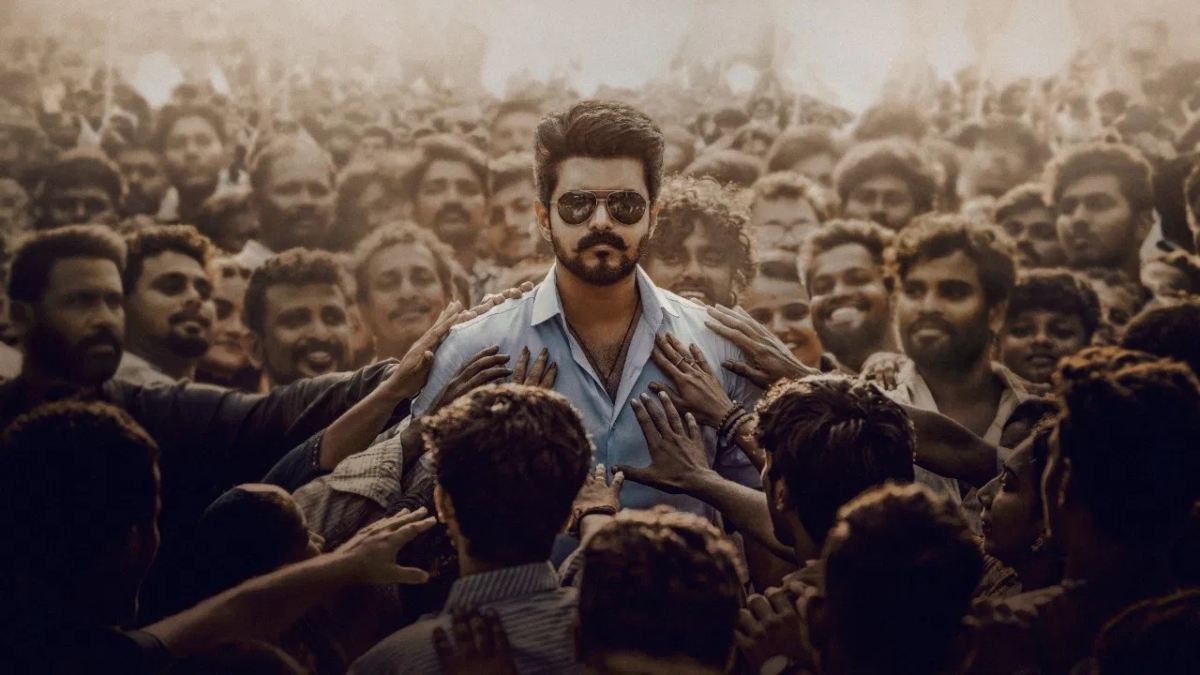
Jana Nayagan Censor Row: Unpacking the Delays & Legal Battle
Thalapathy Vijay’s highly anticipated film,
Jana Nayagan, directed by H. Vinoth, finds itself embroiled in a significant censorship controversy that has sent ripples through the Indian film industry. Positioned as a pivotal project in Vijay’s career – and potentially his last before a full-time foray into politics – the film's smooth release is crucial for all stakeholders. However, what began as a routine certification process has escalated into a complex legal battle, highlighting the intricate and sometimes opaque mechanisms of the Central Board of Film Certification (CBFC). The delays surrounding the
Jana Nayagan censor have not only created uncertainty for fans but also raised questions about political undertones and the challenges faced by high-profile productions.
The Genesis of the Delay: A Closer Look at the CBFC Process
The journey of
Jana Nayagan through the CBFC began with a sense of urgency. The film was submitted for censor certification on December 18th, utilizing the Tatkal (expedited) service, indicating the producers' keenness to secure a timely release. Initially, the examining committee of the CBFC seemed to reach a consensus. By December 22nd, it was communicated that the film would receive a U/A certificate, generally permitting parental guidance for children under 12, a common and acceptable rating for a major commercial release.
However, this decision was not unanimous. One of the four committee members reportedly disagreed with the majority’s verdict and lodged a formal complaint. This dissenting opinion proved to be a critical turning point. The core of the complaints revolved around two main issues: scenes allegedly hurting religious sentiments and the unauthorized depiction of Army emblems. Such objections, particularly those touching on religious and national sensitivities, are often taken very seriously by the CBFC and can lead to significant scrutiny.
The chain of events that followed demonstrated how a single objection can derail an entire process. The dissenting member’s complaint was escalated to the CBFC chairman, who subsequently ordered the film to be reviewed by a Revising Committee. This decision, communicated to the production house only on January 5th (after a series of long holiday weekends in late December and early January slowed official correspondence), immediately put the film's release date in jeopardy. The shift from an Examining Committee's U/A recommendation to a Revising Committee review implied a deeper dive into the controversial elements, signaling potential cuts or even a change in certification, thus intensifying the
Jana Nayagan censor row.
Navigating the Legal Labyrinth: High Court Intervention
Faced with the prospect of indefinite delays and a compromised release, KVN Productions, the producers of
Jana Nayagan, made a strategic decision to approach the Madras High Court. Their legal recourse was based on the premise that the CBFC had initially indicated a U/A certificate, provided certain modifications were made. The production house claimed these modifications were duly carried out, yet the certification remained elusive, further exacerbating the
Jana Nayagan censor conundrum.
The High Court intervention thrust the confidential CBFC process into the public eye. However, the CBFC itself maintained a strict stance of confidentiality. D. Balamurali, a CBFC zonal officer, publicly stated that no information regarding the film's status could be divulged until a certificate was officially issued. This position is legally permissible and standard practice, aiming to prevent premature speculation and ensure the integrity of the certification process. Yet, in a high-profile case like
Jana Nayagan, this confidentiality only fueled social media speculation.
Rumors circulated widely, suggesting extensive cuts – some reports even claimed up to 20 minutes of footage could be removed – and significant alterations to appease the board. While the producers or the CBFC provided no official clarification on these specific reports, the lack of transparency from the board’s side created an environment ripe for conjecture. The legal battle thus became not just about securing a certificate but also about challenging the delays and demanding clarity within a system that often operates behind closed doors. For more detailed insights into the legal and political aspects, readers can refer to
Vijay's Jana Nayagan Censor: Politics, Religious Claims & CBFC Standoff.
Unpacking the "Politics Behind This": Beyond Standard Procedure
The
Jana Nayagan censor row appears to be more than just a typical bureaucratic holdup. Many observers, including producer Venkat K. Narayana, have hinted at underlying "politics" influencing the situation. This suspicion is amplified by several factors. Firstly, the escalation of a single dissenting member's complaint to the CBFC chairman, effectively overturning a majority decision, is unusual for films that typically undergo standard procedures. It suggests that the objections held significant weight or were perhaps backed by external pressure.
Secondly, the film’s lead, Thalapathy Vijay, is on the cusp of transitioning into full-time politics.
Jana Nayagan is widely perceived as his swansong in cinema before dedicating himself entirely to public service. This political context inevitably places the film under heightened scrutiny, especially regarding any content that could be interpreted as controversial, religiously sensitive, or politically charged. Opposing factions or individuals might exploit such content to obstruct the film’s release or undermine Vijay's public image. The complaints about hurting religious sentiments and the unauthorized use of Army emblems, while potentially valid, gain added layers of complexity in this politically charged atmosphere.
The producer's retrospective comment about submitting the film earlier for censor, considering its content, Vijay's political standing, and the long holiday weekends, underscores a crucial learning point. For films with high stakes, sensitive content, or a star with significant political influence, anticipating and mitigating potential censor hurdles becomes paramount. The prolonged approval process, whether intentional or bureaucratic, can severely impact a film's financial viability and its star's public momentum.
The Broader Implications: Impact on Filmmakers & Industry
The protracted
Jana Nayagan censor dispute carries significant implications, not just for the film's makers and Vijay himself, but for the wider Indian film industry.
*
Financial Strain: Delays translate directly into financial losses. A film like
Jana Nayagan, a high-budget production, incurs substantial costs daily, from interest on loans to holding back promotional campaigns. Missing an intended release date, especially during festive or peak seasons, can cost millions and impact box office potential.
*
Release Schedule Disruption: Film release calendars are meticulously planned, often years in advance, to avoid clashes and maximize audience reach. Censor delays force producers to scramble for new slots, potentially leading to competition with other big releases or less favorable times.
*
Creative and Mental Toll: The uncertainty and constant battle take a significant toll on the creative team – the director, writers, and actors – who pour years into a project. It's mentally exhausting to see a completed work held hostage by bureaucratic hurdles or legal wrangling.
*
Opacity of the CBFC Process: This row further highlights the lack of transparency in the CBFC's operations. While confidentiality is cited, the subjective nature of "hurting sentiments" and the power of a single dissenting voice to halt a major release raise questions about accountability and consistency.
*
Lessons for Producers: For other filmmakers, particularly those working on projects with politically active stars or sensitive themes, the
Jana Nayagan case serves as a stark warning. Key takeaways include:
*
Early Submission: Submit films for certification much earlier than standard timelines, especially if any content might be deemed controversial.
*
Anticipate Objections: Proactively identify potential areas of contention (religious, national, political) and either pre-emptively modify them or prepare robust justifications.
*
Legal Preparedness: Understand the legal avenues available if the certification process becomes unduly delayed or contentious.
The ongoing struggles faced by
Jana Nayagan producers underscore the delicate balance between artistic freedom, regulatory oversight, and the political landscape in Indian cinema. For an in-depth look at the overall crisis, you might find
Inside Jana Nayagan's Censor Crisis: Impact on Vijay's Final Film insightful.
The
Jana Nayagan censor row remains a saga closely watched by fans, industry insiders, and political observers alike. As the film awaits its final certification and legal resolutions, the challenges it faces stand as a testament to the complexities inherent in bringing a high-profile movie to the big screen in India. The outcome will undoubtedly set precedents for future films navigating similar sensitive territories, reiterating the ongoing need for clearer guidelines and more transparent processes within the CBFC to foster a predictable and fair environment for filmmakers.